Why Belonging Matters More Than Confidence
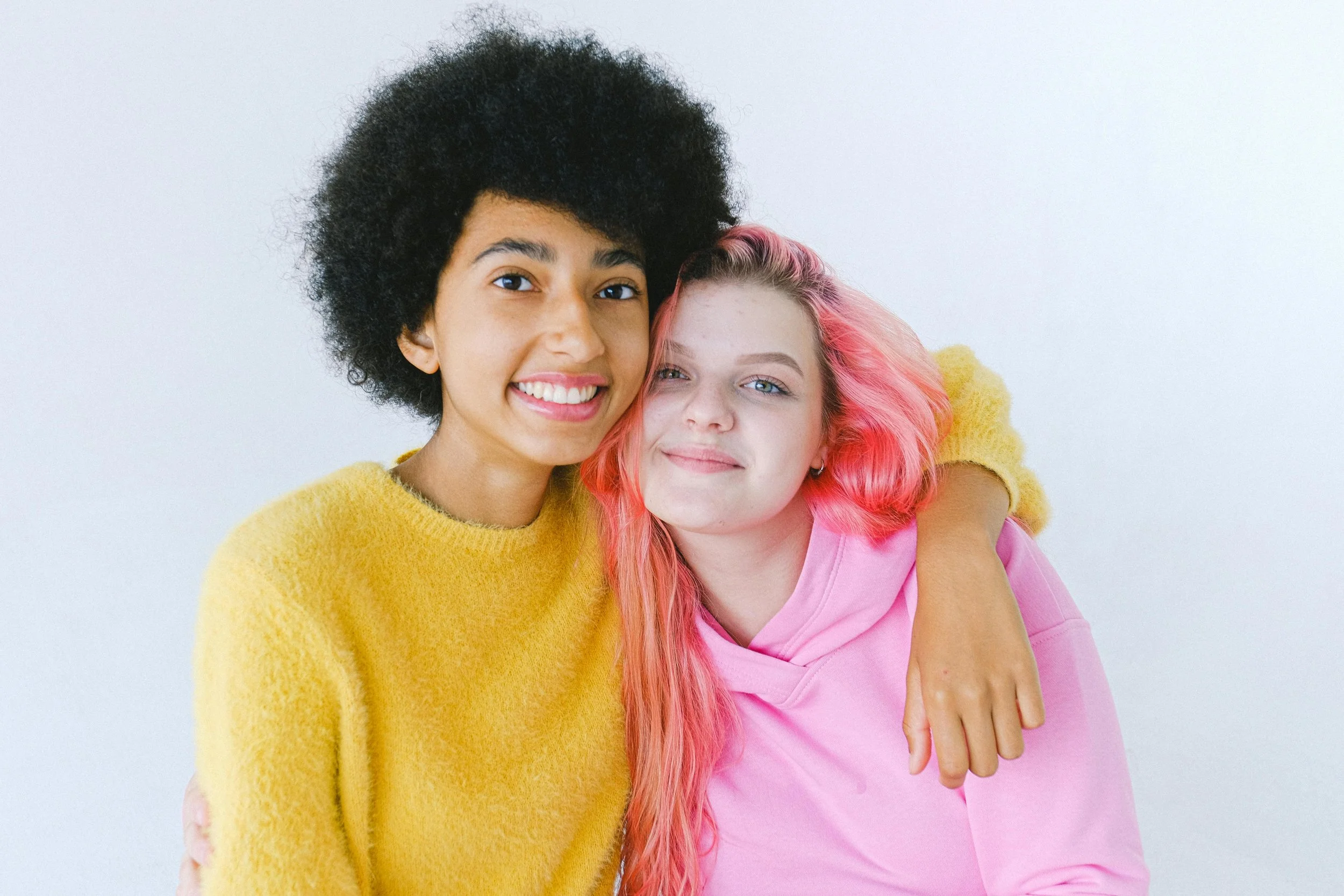
Confidence is often seen as the goal for young people—but it actually grows from something deeper: belonging. This post explores why feeling safe, accepted, and able to be yourself is the true foundation for confidence, and how creating spaces of belonging allows youth to find their voice, identity, and leadership.
We hear it all the time:
“I just want my child to be confident.”
Confidence has become the goal. The marker of success. The thing we believe will help young people navigate the world, speak up, and stand strong in who they are.
But what if confidence isn’t the starting point?
What if it’s the result of something deeper?
Confidence Isn’t Built First
Confidence is often treated like something we can teach directly:
Speak up
Be brave
Believe in yourself
But for many young people, especially those still forming their identity, these messages can feel out of reach.
Because confidence doesn’t develop in isolation.
It develops in response to an environment.
And the most important condition in that environment is:
Belonging.
What Belonging Actually Means
Belonging is not just being included.
It is the feeling of:
Being accepted as you are
Not needing to change to fit in
Feeling safe to express yourself
Knowing you won’t be rejected for who you are
It is both emotional and psychological safety.
And for youth, especially those navigating identity, difference, or uncertainty, this matters more than anything else.
What Happens Without Belonging
When a young person does not feel like they belong, they don’t become confident.
They adapt.
They:
Shrink to fit expectations
Mask parts of themselves
Stay quiet to avoid judgment
Seek approval instead of trusting themselves
From the outside, this can look like:
Shyness
Disengagement
People-pleasing
“Lack of confidence”
But underneath, it’s not a confidence issue.
It’s a belonging issue.
What Happens When Belonging Comes First
When a young person feels like they belong, everything shifts.
They begin to:
Speak more freely
Take social and emotional risks
Try new things without fear of failure
Express opinions and ideas
Confidence emerges, not because it was forced, but because it was safe to develop.
This is why in environments where youth feel deeply accepted, you often see:
Stronger voices
Deeper connections
Higher engagement
More authentic leadership
Why This Matters Right Now
Today’s youth are navigating:
Social comparison
Identity exploration
Increased awareness of differences
Fear of being judged or excluded
In this environment, telling them to “just be confident” misses the mark.
Because what they are really asking is:
“Is it safe for me to be myself here?”
If the answer is no…or even unclear…confidence will not follow.
The Role of Adults and Spaces
Belonging is not something young people create alone.
It is something that is built around them.
Adults, mentors, and communities set the tone.
We create belonging when we:
Normalize differences instead of highlighting them
Avoid labeling or singling out identities
Model respect and openness
Create environments where no one has to “earn” their place
This is especially important in inclusive spaces.
Belonging does not require explanation.
It requires intentional culture.
Why This Matters for Magical Rebels
At Magical Rebels, belonging is not a side effect.
It is the foundation.
This is a space for those who identify with the girl experience and lead a feminine lifestyle—across identities, expressions, and backgrounds.
No one is asked to explain who they are.
No one is singled out.
No one has to prove they belong.
Because when belonging is established:
Voice follows.
Confidence grows.
Leadership emerges.
Final Thought
Confidence is not the first step.
Belonging is.
And when people feel like they are truly seen, accepted, and safe to be who they are, something powerful happens:
They don’t just become confident.
They become themselves.
When Adults Need to Know, But Kids Already Understand
Parents often feel the need to “prepare” their children for differences, but in many cases, kids already navigate diverse identities—like gender and LGBTQ+ experiences—with ease and acceptance. This blog explores how adult fears can unintentionally shape a child’s perspective, why privacy matters when it comes to identity, and how creating inclusive spaces allows young people to lead with empathy, confidence, and belonging.
There’s a moment that happens more often than we talk about.
An adult pauses, asks a question, or expresses concern, usually framed as a need to “be prepared.”
It sounds responsible.
Thoughtful, even.
But underneath that instinct is something worth examining: Who is this really for?
Because more often than not, the children are already fine.
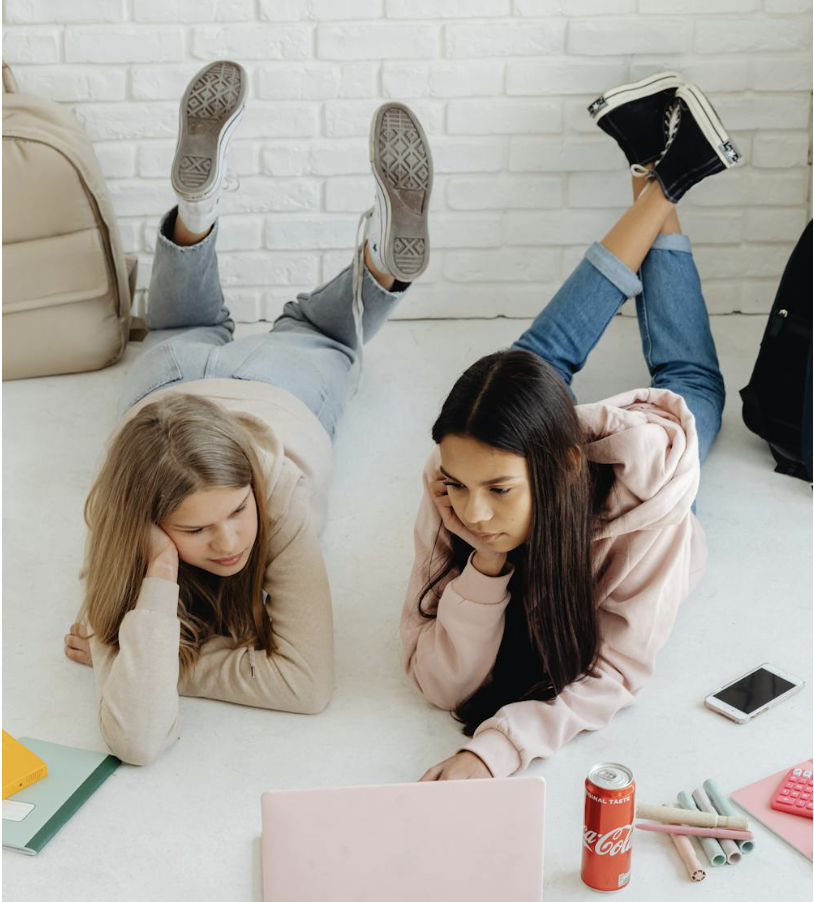
In many youth spaces, especially those rooted in belonging and identity exploration, young people show us something remarkable. They meet one another as humans first. They build connection through shared experiences, humor, curiosity, and kindness, not labels. What adults may see as something that requires explanation, children often experience as simply… normal.
And yet, adults frequently feel the need to step in.
This is where we begin to see the subtle layering of adult fear onto a child’s experience.
The desire to “know ahead of time” is often rooted in uncertainty. Parents want to say the right thing. They want to guide well. They want to protect. These are valid instincts. But when that desire turns into a need to manage or pre-frame a situation that a child has already navigated with ease, it can unintentionally introduce confusion where none existed before.
A child who has accepted a peer without hesitation may suddenly be prompted to question that experience:
Is this something I should be thinking differently about? Is this something I should be concerned about?
In that moment, the adult hasn’t just informed—they’ve reframed.
There is also a deeper ethical layer that often goes unspoken.
When adults expect to be told about another child’s identity, particularly when it comes to something as personal as gender identity, they are, knowingly or not, asking for access to information that does not belong to them. A child’s identity is not a public announcement. It is not a detail to be distributed for the comfort of others. Sharing that information without consent is not preparation, it is a violation of privacy.
In spaces like Magical Rebels, this distinction matters deeply.
Magical Rebels exists for those who identify with the girl experience and lead a feminine lifestyle. That includes a wide spectrum of identities, expressions, and lived experiences. Our role is not to categorize or disclose those identities. Our role is to create an environment where they are respected, protected, and allowed to exist without explanation.
Because the truth is: inclusion does not require disclosure.← READ THAT AGAIN
We do not need to single out individuals to create a culture of belonging. In fact, doing so often undermines it. Instead, we set a clear foundation:
This is a space where all are respected.
This is a space where kindness is expected.
This is a space where you are safe to be who you are.
Children understand this far more intuitively than we give them credit for.
They do not need to be warned about difference. They need to be modeled respect.
They do not need to be prepared for inclusion. They need to experience it.
And perhaps the real work, for all of us, is not in preparing children for the world, but in unlearning the fear-based narratives we’ve been taught about it.
When we step back, when we trust, when we resist the urge to control or categorize, something powerful happens.
We make space.
Space for kids to lead with empathy.
Space for identity to exist without scrutiny.
Space for connection to form without conditions.
At Magical Rebels, that space is intentional.
Because every young person deserves the chance to show us what the world can look like when it isn’t filtered through fear—but built through belonging.